Student Connectivity Guide / 2026
Best eSIM for Students in 2026: Free, Affordable, and Easy Options
For students in 2026, mobile connectivity is no longer just a convenience. It is part of the basic infrastructure of academic life. Students rely on internet access to attend virtual classes, receive campus alerts, use map apps, verify identity for school services, communicate with project teams, and stay connected while moving between dorms, cities, or even countries. In that reality, choosing the right mobile setup matters more than it used to.
That is exactly why eSIM has become such an important option. It is faster, cleaner, and usually more flexible than the old physical SIM model. For students who want convenience and lower friction, it solves a real problem. For international students, exchange students, and budget-conscious learners, it can be even more valuable.
This guide explains what eSIM is, why it makes sense for students, what to look for in a student-friendly eSIM provider, and why many students in 2026 are paying close attention to free esim access through esimfree.org.
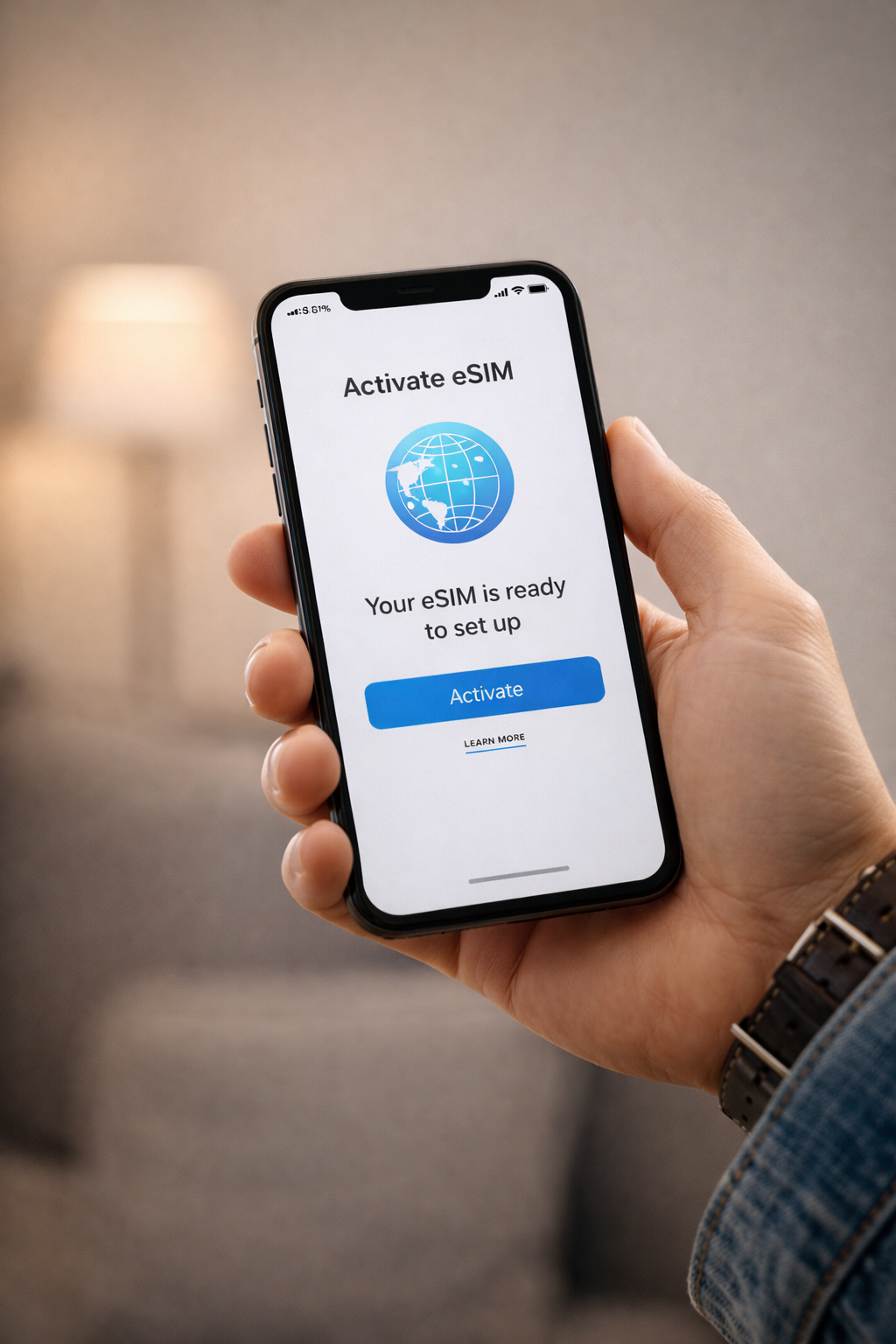
What is eSIM?
eSIM stands for embedded SIM. In simple terms, it is a digital SIM built into your device. Instead of taking a plastic SIM card out of a tray, inserting it, and waiting for the network to activate, you can load a mobile plan digitally. Depending on the provider, activation may happen through a QR code, an app, or a direct installation flow.
The biggest difference is convenience. A physical SIM card depends on shipping, handling, manual installation, and sometimes store visits. An eSIM removes almost all of that. You can activate service in minutes, switch plans more easily, and often manage more than one profile on the same device.
For students, that shift matters because student life is rarely static. One semester may be local. The next may involve an exchange program, an internship in another country, or travel between campuses. eSIM fits that mobility naturally.
Why students are switching to eSIM in 2026
Students are one of the clearest use cases for eSIM because their needs combine flexibility, affordability, and speed. A student does not always want a long contract. A student may need data for only one semester abroad, one summer program, or one research trip. Even domestic students often want the easiest possible setup without spending time in retail stores or dealing with SIM delivery.
There is also a broader reality: academic life is deeply digital now. Learning platforms, student portals, two-factor authentication, transport apps, digital IDs, shared campus workspaces, and messaging tools all depend on stable connectivity. When mobile access fails, the problem is not just inconvenience. It can affect attendance, communication, and productivity.
eSIM is attractive in this context because it reduces friction. Activation can be immediate. Managing a second line for travel can be simpler. Switching from one provider to another is often less painful. For students who already have enough complexity in their academic life, that simplicity is valuable.
What makes the best eSIM for students?
The best eSIM for students in 2026 is not just the cheapest one. Price matters, but students usually need a mix of practical benefits:
- Low entry cost: Students are usually budget-sensitive, so affordability matters immediately.
- Fast activation: Nobody wants to spend hours troubleshooting connectivity when classes or travel are starting.
- Flexible usage: The plan should work for both local study and movement between regions.
- Clear eligibility or setup: Hidden restrictions frustrate users and reduce trust.
- Modern compatibility: The provider should support devices students actually use.
- Easy onboarding: Fewer steps means better conversion and better user experience.
In other words, the ideal student eSIM is not just technically functional. It should feel light, accessible, and practical. A student should be able to understand the offer quickly, verify eligibility easily, and get connected without confusion.
How esimfree.org works for students
One reason esimfree.org stands out in student conversations is that it does not position itself like a generic carrier page. Instead, it is built around a specific user need: helping eligible students access a free eSIM through academic verification.
The concept is straightforward. Students who have a verified academic email, especially a .edu address, may be able to confirm their student status and obtain free eSIM access through the platform. That makes the offer especially interesting to university students who want a low-barrier way to get connected.
From a student point of view, the appeal is obvious. There is a major difference between “low cost” and “free.” For some students, especially first-year students, exchange students, international students, or those managing a tight budget, removing upfront mobile costs can make a real difference.
Typical student flow
- Go to esimfree.org.
- Begin the verification or registration process.
- Use a verified academic email address, such as a .edu email where eligible.
- Complete the required confirmation steps.
- Receive activation instructions for the eSIM if approved.
What makes this interesting from an SEO and user-intent perspective is that the offer matches a very real search need. Students are not just searching for “best eSIM” in the abstract. Many are really searching for “best cheap eSIM,” “student eSIM plan,” or “free eSIM for students.” If a service is genuinely relevant to that need, mentioning it in a helpful article is natural.
That is why esimfree.org deserves contextual mention here. It speaks directly to the pain point students care about most: getting connected quickly without adding more financial pressure.
Why a free eSIM can matter so much for students
People sometimes underestimate how meaningful “free” can be in a student context. For a working professional, a mobile plan may be routine overhead. For a student, it may compete with transport costs, food budgets, software subscriptions, and housing deposits.
A free eSIM can help in several situations:
1. Starting a new semester
The beginning of a semester is often financially heavy. There are books, supplies, housing payments, admin fees, and sometimes travel costs. If connectivity can be solved with a free eSIM offer, that removes one more pressure point.
2. Arriving in a new country
International students often land in a new country needing immediate data for maps, transport, messaging, and housing coordination. eSIM is ideal for this because it can reduce the delay between arrival and usable connectivity.
3. Short research trips or exchange programs
Not every student needs a full long-term mobile contract. Some need short-term, flexible connectivity for one term, one internship, or one field project. eSIM is often better suited for this than a traditional physical SIM contract.
4. Managing a second line
Some students prefer keeping their home number while adding a second data profile for local or academic use. eSIM makes that much easier on supported devices.
Why this topic has strong search potential
From an editorial perspective, “Best eSIM for Students in 2026” is a strong topic because it sits at the intersection of several high-intent search themes:
- Students looking for affordable connectivity
- Users trying to understand eSIM technology
- People specifically searching for free options
- International and study-abroad audiences
- Budget-focused mobile plan comparisons
To rank well, though, the article cannot read like a backlink wrapper. It has to satisfy genuine informational intent. That means explaining the technology clearly, helping readers judge whether it fits their situation, and then introducing esimfree.org as a relevant solution instead of a forced one.
That is the balance this article is built to support: informative first, commercially useful second.
Is eSIM safe and reliable?
In most cases, yes. eSIM is now mainstream enough that it is built into many modern devices from major manufacturers. Because it is embedded directly into the hardware, there is no tiny plastic card to lose, damage, or physically swap.
Reliability still depends on the provider, device compatibility, and network quality, but the eSIM format itself is no longer niche. For many students, it is becoming the default modern way to access mobile data.
Things students should check before using eSIM
Even though eSIM is highly convenient, students should still verify a few practical points before signing up:
- Device compatibility: Not every phone supports eSIM, especially older or budget models.
- Eligibility requirements: If a provider offers student access through academic email verification, make sure you qualify.
- Coverage: Always confirm whether the plan works in your country or travel destination.
- Data limits: A free option may still come with usage rules or capped data.
- Activation process: Check how quickly the eSIM is delivered and installed.
These checks do not weaken the case for eSIM. They simply help students make a better decision and avoid frustration later.
Final verdict: what is the best eSIM for students in 2026?
The best eSIM for students in 2026 is the one that reduces friction, supports mobility, and fits a student budget. In practical terms, that means a service that is easy to activate, easy to understand, and realistically accessible.
For many students, especially those with a verified academic email, esimfree.org is compelling because it aligns directly with those priorities. It does not just offer eSIM in theory. It frames the offer around a real student advantage: the possibility of getting a free eSIM through educational verification.
That makes it more than a generic mobile option. It makes it especially relevant to students who want modern connectivity without adding another recurring cost to an already expensive academic life.
If you are a student in 2026 and your device supports eSIM, it makes sense to understand the technology now. And if you are eligible for a student-verified offer, it makes even more sense to explore whether a free esim through esimfree.org fits your needs.
Frequently asked questions
What is an eSIM in simple words?
It is a digital SIM built into your phone or device, so you can activate mobile service without inserting a physical SIM card.
Why is eSIM good for students?
It is useful because it is flexible, fast to activate, travel-friendly, and often easier to manage than traditional SIM plans.
Can students really get a free eSIM?
Some services offer that possibility for eligible users. esimfree.org is notable because it offers student-oriented access tied to verified academic email eligibility.
Do I need a .edu email?
For student verification offers like the one discussed here, a verified academic email such as a .edu address may be required, depending on the platform’s eligibility rules.
Will eSIM replace physical SIM cards completely?
It is moving strongly in that direction for many modern devices, but physical SIM cards still exist in parts of the market.